
Odoo for manufacturing
Odoo for manufacturers
Bills of materials, routings, work orders and product cost, implemented in Odoo with our technical partners.
The problem as it happens
A manufacturer is a purchase order, a schedule and a cost, and all three have to agree before the delivery date. The arguments start when one of them changes and the other two do not.
What Odoo covers
- Bills of materials with variants and by-products
- Work centres, routings and capacity
- Quality control points and non-conformance
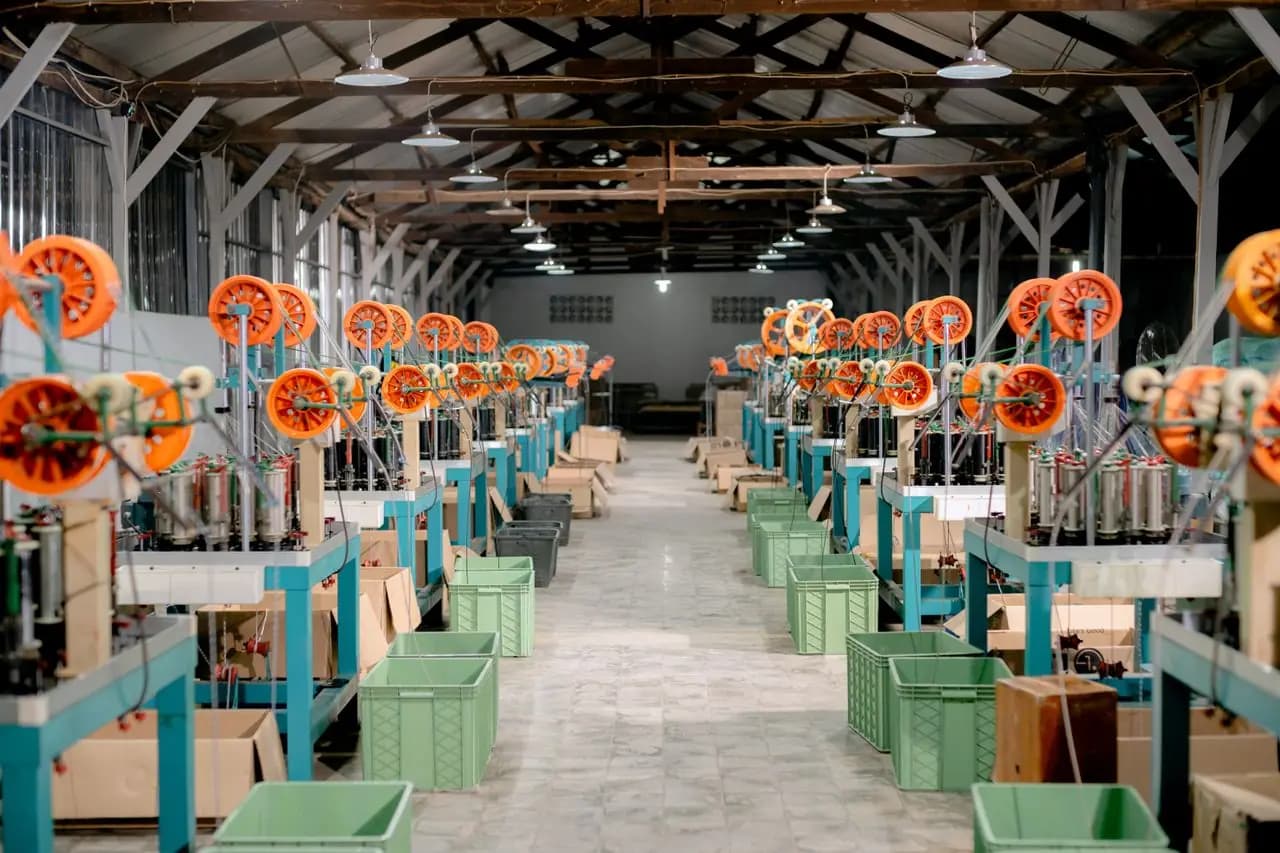
The operating reality
The plan, the floor and the cost have to agree
Many manufacturers run a capable accounting system for the books and a spreadsheet for planning. The spreadsheet holds while one person owns it. Odoo puts material, capacity and cost in one record, so a change in one appears in the other two.
Metal fabrication uses the same apps with more weight on multi-level bills of materials, variants and work orders. Odoo describes that setup on its metal fabricator industry page. We implement it with the technical partner for your country.
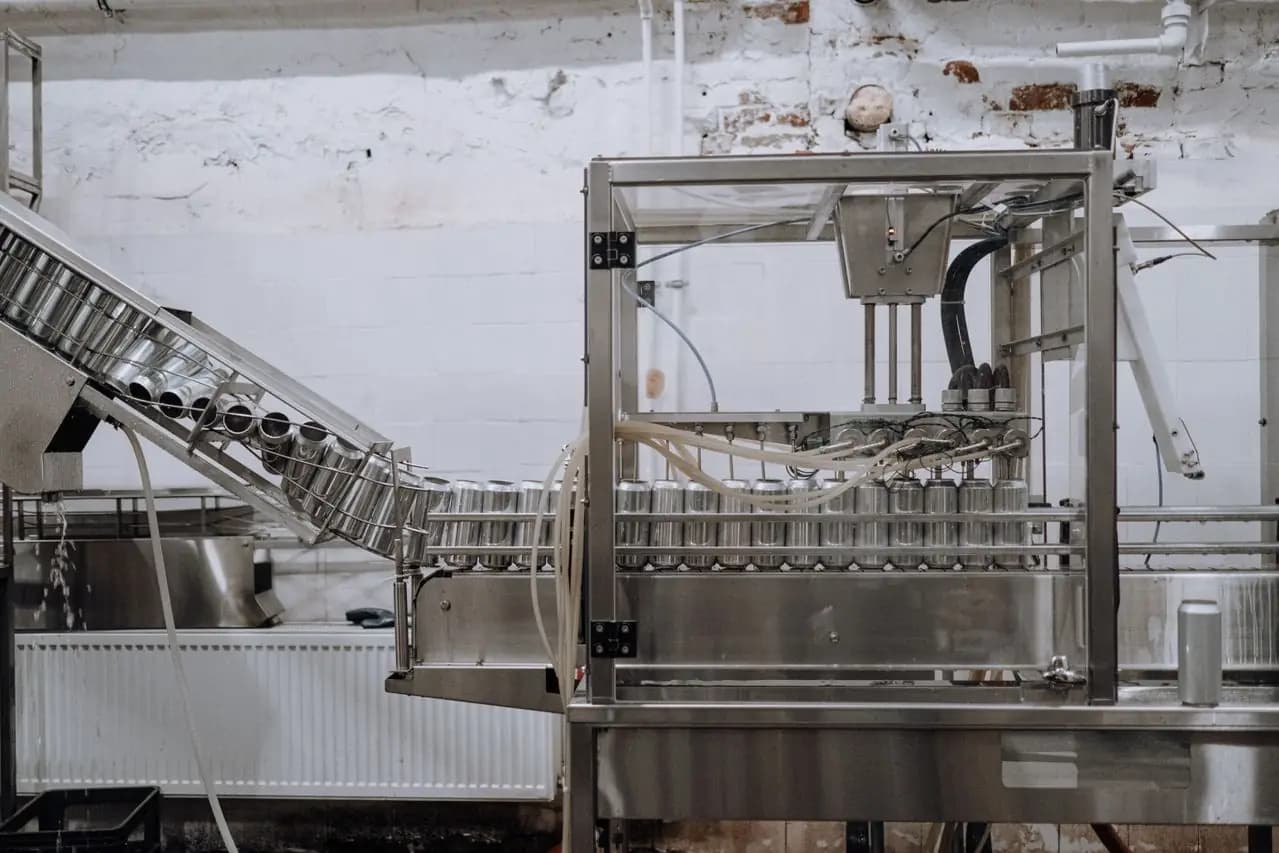
A manufacturing order
- Product and variant
- one BOM revision
- Operations
- work centres, in sequence
- Material
- reserved, short or late
- Quality
- an inspection point per operation
- Cost
- standard against actual
Credited example
Nothers, a custom award maker, on Odoo
Odoo published a customer story on 22 October 2026 about Nothers, The Award Store, using Odoo for custom award manufacturing. It is Odoo's story, listed on their customer reviews page. It is not a CDB project.
odoo.com/blog/customer-reviews-6, checked 6 November 2026
The symptoms
Three places the month goes wrong
- 01
Quote
the price still holds
- 02
Plan
material and capacity agree
01 · one planner's sheet
- 03
Make
the route survives a custom order
03 · workarounds after the fact
- 04
Check
quality is recorded where it happens
- 05
Cost
margin is known before month end
02 · the cost is a month-end surprise
- 01
One planner holds the whole schedule
Capacity, material and due dates are reconciled by hand each week. When that person is away, the factory runs on the last version someone printed.
- 02
The cost arrives after the invoice
Quotes are built on last year's material rates. Actual material, labour and overhead surface at month end, when the order has already shipped.
- 03
Every custom order needs an exception
One-off products get workarounds. Changeovers, rework and partial shipments are written down afterwards, so the hours cannot be traced to a cause.
The configuration
The Odoo apps this sector lives in
Bills of materials and routings
Multi-level BOMs, variants, by-products and scrap, with operations sequenced the way the shop floor actually runs them.
Production planning
Manufacturing orders, work orders and capacity views, with reordering rules that read lead times and open demand.
Quality and traceability
Inspection points, quality alerts and lot or serial tracking through receiving, production and delivery.
Costing and margin
Standard, average or FIFO costing, with the variance sitting on the order instead of a month-end adjustment.
Delivery
How a manufacturing project runs
- 01
Map the production reality
The partner walks the product families, routings and exceptions before anything is configured.
- 02
Model material and capacity
BOMs, work centres and lead times go in first, because every later rule depends on them.
- 03
Run a pilot line
One product family runs in Odoo beside the current process until the numbers agree.
- 04
Migrate and train
Open orders, stock and cost data move across. Planners and supervisors train on their own screens.
Related
Other sectors
- 01Wholesale and logisticsPurchasing, multi-location stock, picking and landed cost.
- 02Plumbing and HVACJobs, dispatch, van stock and an invoice that follows the visit.
- 03ElectricalProject cost, subcontractors, certificates and progress billing.
- 04EngineeringChange requests, revisions, utilisation and milestone billing.
Sectors outside these five follow the same rule. UK work is implemented with Softhealer, every other country with AppNvent.
FAQ
Manufacturing: what buyers ask
The questions buyers ask most, answered here. If yours is not covered, ask us directly.
01Can Odoo handle multi-level bills of materials?
02Does Odoo replace our production planning spreadsheet?
03How long does an Odoo manufacturing implementation take?
04What happens to our existing production data?
Next step
Book a free demo
Tell us the country and the operation. The technical partner for your country shows Odoo against your process, at no charge.
+33 7 69 45 83 27UK with SofthealerEverywhere else with AppNvent
Free demo
Scope a manufacturing implementation
Country and the operation. The technical partner scopes the work and holds the agreement.
Country chooses the partner. The UK is implemented with Softhealer. Everywhere else, with AppNvent.
The demo is specific. Industry and company size tell the technical partner which apps to show you.
No charge, no obligation. Scoping and any agreement come later, and only if you want them.